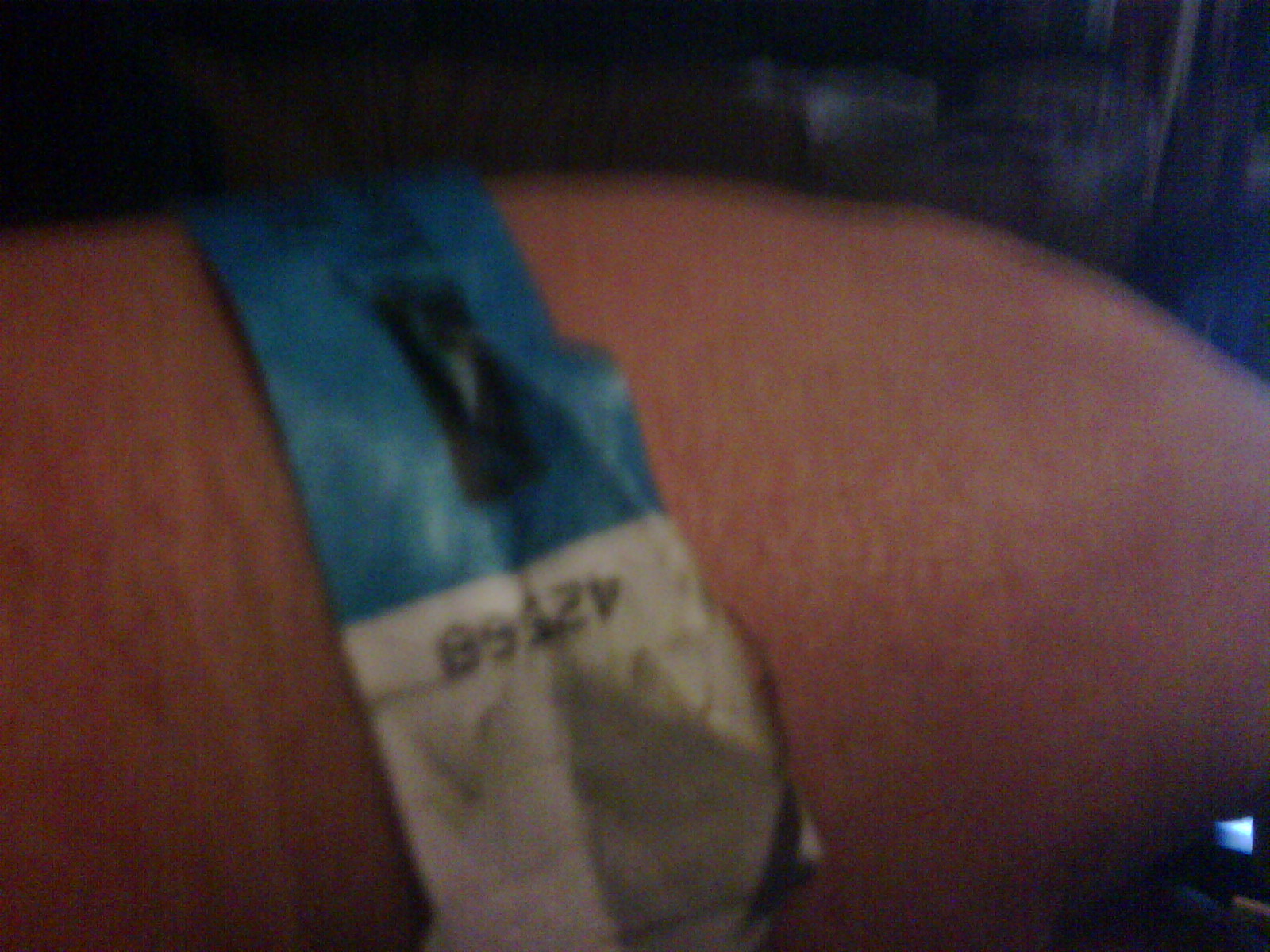
 The band on my wrist proclaims me number 42568. What would it be like to be reduced to a number? The survivors of Auschwitz, Buchenwald, Dachau, and the 15,000 other concentration camps created by the Nazis before and during World War II know all too well what it is like to be dehumanized to a number tattooed on their arm.
My son and I visited the Illinois Holocaust Museum today and took a trip through one of the darkest periods of human existence. Although the killing of Jews is the most widely known of Hitler’s atrocities, he began his killing spree by “euthanizing” between 200,000 and 250,000 mentally and physically handicapped individuals. In his quest for the perfect Aryan race, Hitler also forcibly sterilized up to 400,000 individuals considered “feeble minded” and unfit to reproduce.
Listening to the Holocaust survivors tell their stories both in person and via video, the atrocities stepped out of the pages of history books and became real. We heard about families crowded into the ghettos and children forced to scavenge food for their family, we heard about children watching their parents being taken to the gas chambers, and we heard stories of heroism, survival, and grace.
 One of the most moving videos for me was listening to a survivor tell about questioning a fellow inmate who was praying and asking him what in the world he was praying for in the midst of the death and the horror. The gentleman nodded towards the guards and said he was thanking God that he hadn’t made him like them. There were stories of hope as inmates revolted against their captors at Treblinka, Sobibor, and Auschwitz-Birkenau and the residents of the the ghettos fought back.
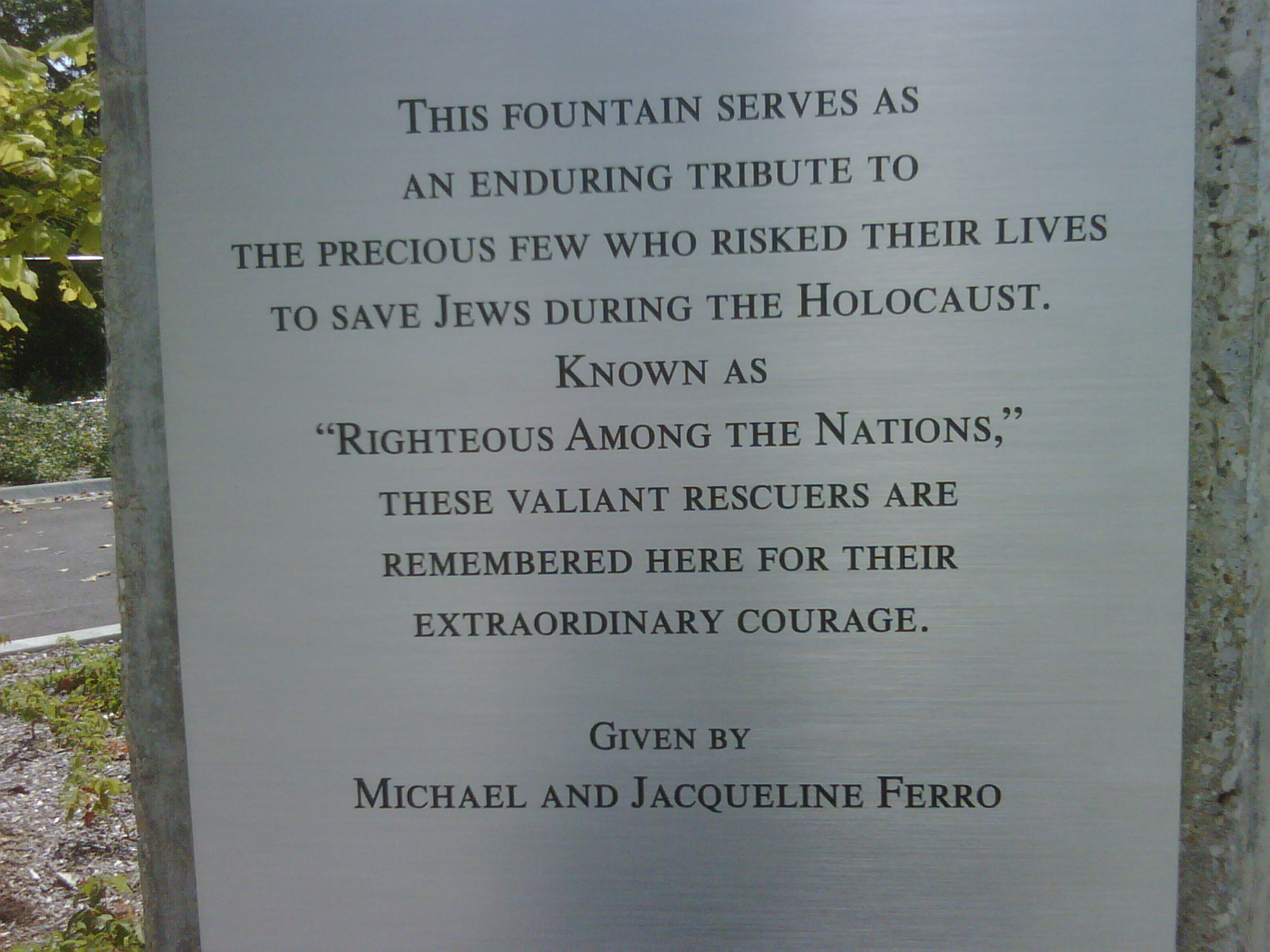
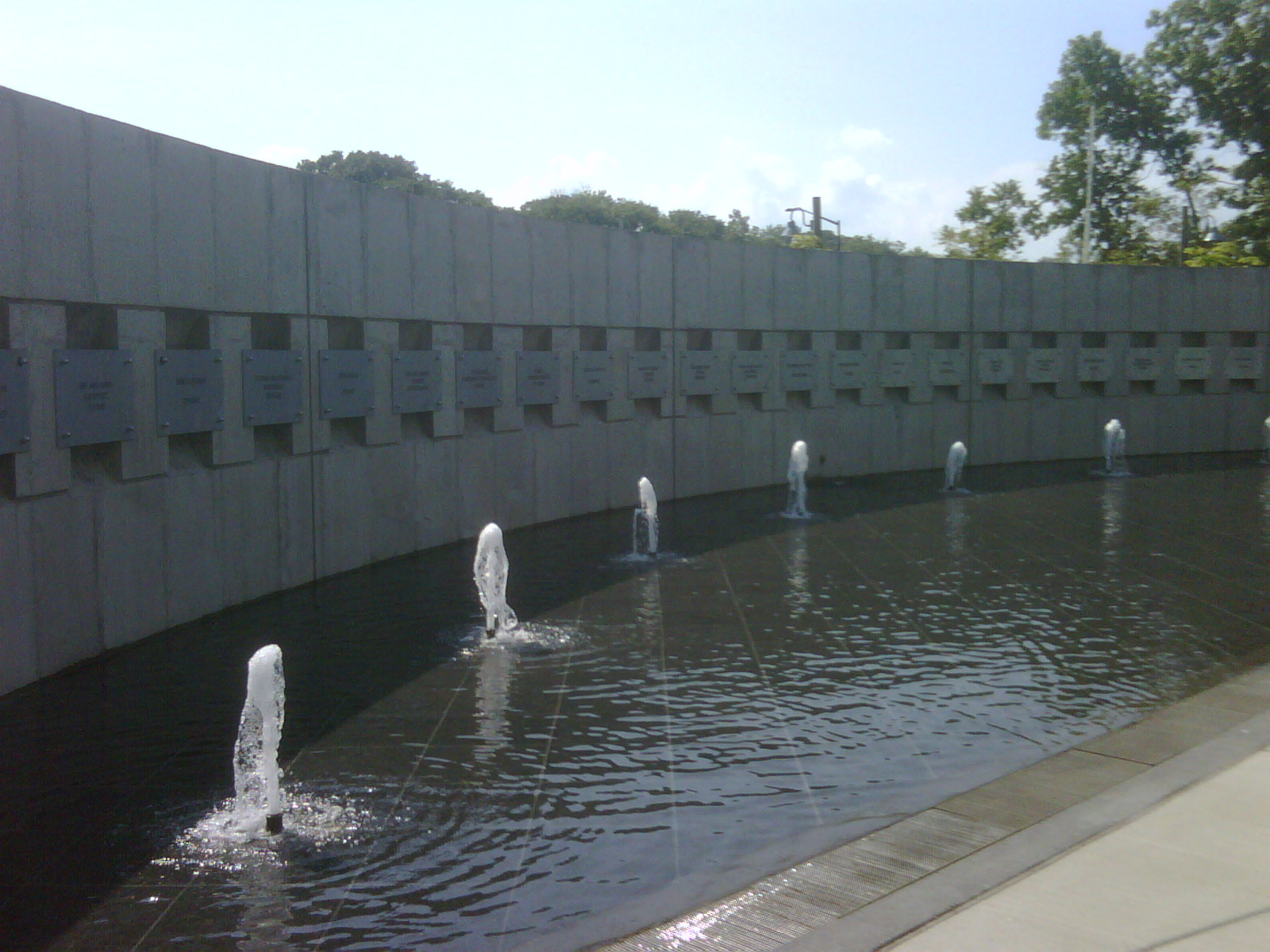
Many non-Jews turned a blind eye to the violence and the death, but there were a few who chose to live righteously and do the right thing. Two of these were diplomats who defied their governments to issue visas for Jews to help them escape. Chiune Sugihara was a Japanese diplomat serving in Lithuania who saved up to 10,000 people by issuing papers allowing them to travel to Japan. Even when told by his superiors to stop issuing such visas, he continued because he believed it was the right thing to do. Similarly, Swedish diplomat Raoul Wallenberg issued papers to Jews in Hungary that allowed them to escape with their lives. Both Sugihara and Wallenberg, along with approximately 20,000 others, were recognized by the Yad Vashem as Righteous among Nations for their work to save Jews during the Holocaust.
 Many of the Holocaust survivors in Skokie, buried their memories of the Holocaust after the war as they tried to fit in and become Americans. That changed in 1976 when a neo-Nazi group petioned to march in Skokie, home to approximately 10,000 Holocaust survivors. The survivors realized that they had to step forward and tell their story. Since that time, they’ve worked tirelessly to educate humanity about what happened to them and what is still happening in places like Darfur and Rwanda.
Despite the horror of the Holocaust, genocide has not stopped and we continue to have people who think exterminating an entire culture is acceptable. Genocide, Holocaust, and terror are not blissful subjects, but they are things that we have the power to stop if we speak with one voice.

 Cairn by Cairn